







Walk into any doctor’s office today and mention hormone therapy, and you’ll likely get a measured, careful response. Your physician will probably want to run tests, discuss your individual risk factors, and create a personalized treatment plan. But rewind a century, and the conversation would have sounded very different. Back then, doctors were practically throwing hormones at patients with promises that would make a snake oil salesman blush.
The story of hormone therapy reads like a medical thriller—complete with breakthrough discoveries, corporate manipulation, devastating scandals, and ultimately, a hard-won journey toward evidence-based care. It’s a tale that perfectly captures both medicine’s incredible potential and its capacity for spectacular overreach.
The Roaring Twenties: When “Youth in a Bottle” Became Real
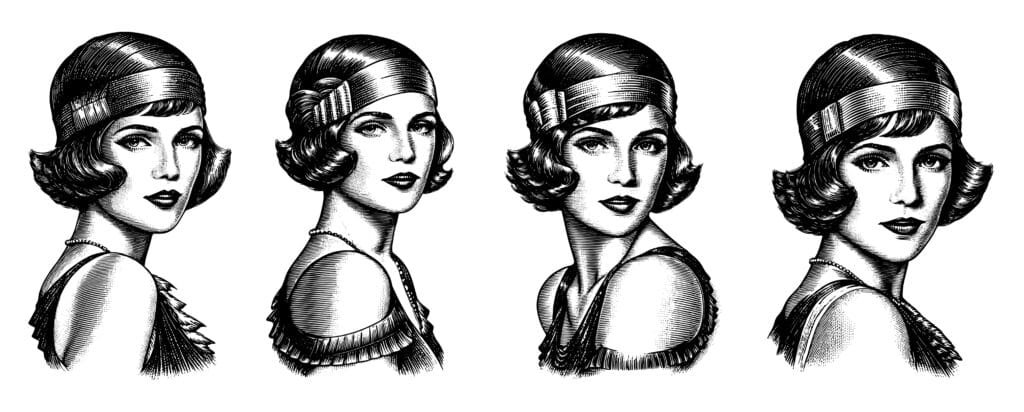
The 1920s were a time of tremendous optimism and scientific discovery. Jazz was hot, hemlines were rising, and researchers had just accomplished something that seemed almost magical: they’d isolated estrogen and progesterone from biological sources. For the first time in human history, we could literally bottle hormones.
The process was, admittedly, a bit unseemly. Estrogen was painstakingly extracted from the urine of pregnant mares—a fact that pharmaceutical company Wyeth-Ayerst didn’t exactly hide, naming their flagship product Premarin (a straightforward contraction of “Pregnant Mare’s Urine”). But patients didn’t seem to care about the source when doctors were promising them something that had eluded humanity since the dawn of time: a way to stop aging.
The marketing was audacious, even by today’s standards. Advertisements didn’t just promise relief from menopausal symptoms—they promised a return to youthful vitality, restored sexual appeal, and an escape from what society viewed as the inevitable decline of middle age. For women who had lived through World War I and the Spanish flu pandemic, the idea of taking control over their bodies’ natural processes must have felt revolutionary.
But here’s the thing about the 1920s: medical regulation was practically nonexistent. The FDA wouldn’t gain real authority over drug safety until 1962. So when doctors started prescribing these hormones, they were essentially conducting a massive, uncontrolled experiment on the female population. The risks? Nobody really knew, and frankly, not many people were asking.
The Mid-Century Explosion: When Estrogen Became America’s Favorite Drug
If the 1920s planted the seeds of hormone therapy, the post-World War II era saw them bloom into a full-scale cultural phenomenon. By the 1960s, estrogen had become one of the most widely prescribed medications in America. Doctors were writing prescriptions with the kind of casual enthusiasm usually reserved for vitamin recommendations.
The medical establishment had embraced what we now recognize as a deeply problematic view: that menopause wasn’t a natural life transition but a disease—a “hormone deficiency disorder” that required medical intervention. This perspective was crystallized and amplified by Dr. Robert A. Wilson, a Brooklyn gynecologist whose 1966 book “Feminine Forever” became an instant bestseller.
Wilson’s thesis was as simple as it was insulting to women: without estrogen therapy, menopausal women would inevitably become “dull, unattractive, and depressed.” He painted a picture of untreated menopause as a kind of living death, describing women as losing their essential femininity and becoming shadows of their former selves. The solution, according to Wilson, was lifelong estrogen therapy—what he called “the key to feminine youth.”
The book struck a nerve in a culture already obsessed with youth and beauty. It sold hundreds of thousands of copies and launched Wilson on a lucrative speaking tour. But there was something the readers didn’t know: Wyeth-Ayerst had secretly paid all of the fees for Wilson to write his book and also helped finance his foundation. This wasn’t disclosed until decades later, when Wilson’s son confirmed the payments to the New York Times after his father’s death.
The pharmaceutical industry had essentially purchased a bestselling advertisement disguised as medical advice. And it worked spectacularly. Prescriptions soared, and estrogen became so mainstream that not taking it was almost seen as giving up on yourself.
The problem? Side effects were mounting, but they were often dismissed or explained away. Women complained of blood clots, unusual bleeding, and other concerning symptoms, but the medical establishment was largely convinced that the benefits outweighed any risks. After all, they were preventing the “disease” of aging—what could be more important than that?
The Turning Point: When Reality Came Crashing Down

The party couldn’t last forever. By the 1970s, researchers began connecting the dots between long-term hormone use and serious health problems. Studies started showing increased rates of endometrial cancer among women taking estrogen. The response from the medical community was to add progestin to the mix, creating combination hormone therapy that was supposed to protect the uterus.
But the real earthquake came in the 1990s with the launch of the Women’s Health Initiative (WHI)—the largest clinical trial in medical history. Over 160,000 women participated in this massive study designed to finally answer the question: was hormone therapy actually the miracle treatment everyone thought it was?
The answer, released in July 2002, was a resounding no.
After the announcement of the first results of the Women’s Health Initiative (WHI) in 2002, which showed that HRT had more detrimental than beneficial effects, HRT use dropped dramatically. The study found that combination hormone therapy increased the risk of breast cancer, heart disease, stroke, and blood clots. For many women, the risks outweighed the benefits.
The medical community was stunned. Patients were terrified. Literally overnight, millions of women stopped taking hormones they’d been told were essential for their health and well-being. The pendulum swung hard in the opposite direction—from universal recommendation to widespread avoidance.
But here’s where the story gets more nuanced. The initial interpretation of the WHI results was perhaps as problematic as the original overprescribing had been, just in the opposite direction. Subsequent studies from the Women’s Health Initiative (WHI) and others clearly showed that younger women and those close to menopause had a very beneficial risk-to-benefit ratio. The problem was that the WHI 2002 findings in older women with an intact uterus were generalised to all forms of HT, including estrogen alone in younger hysterectomised women.
Today’s Reality: Science Over Sensationalism
So where does that leave us today? In a much better place, actually. The hormone therapy landscape of 2025 is characterized by nuance, individualization, and evidence-based decision-making—concepts that were largely absent from the field’s early decades.
Modern practitioners understand that hormone therapy isn’t a one-size-fits-all solution, nor is it a universal poison to be avoided at all costs. Instead, it’s a sophisticated medical tool that requires careful consideration of individual risk factors, timing, dosage, delivery methods, and treatment goals.
Today’s hormone preparations are often bioidentical—chemically identical to the hormones your body produces naturally. This is a significant departure from the days when all hormones came from pregnant horses. We now have multiple delivery methods: pills, patches, gels, rings, and pellets, each with their own risk-benefit profiles.
Perhaps most importantly, we’ve moved away from the paternalistic approach that dominated hormone therapy’s early years. The decision to use hormone therapy is now truly a shared one between patients and providers, based on individual symptoms, risk factors, and quality of life considerations.
The focus has shifted from chasing eternal youth to addressing specific, measurable health concerns. Modern hormone therapy can help with:
- Severe menopausal symptoms that significantly impact quality of life
- Osteoporosis prevention in high-risk individuals
- Premature menopause or surgical menopause
- Certain cardiovascular risk profiles
- Cognitive symptoms associated with hormonal changes
But—and this is crucial—these benefits come with a clear understanding of potential risks and careful monitoring by qualified healthcare providers.
The Personalization Revolution
What truly sets modern hormone therapy apart is the level of personalization possible today. Advanced laboratory testing can now assess not just hormone levels but also genetic factors that influence how individuals process different types of hormones. We can measure cardiovascular risk factors, bone density, and other health markers to create truly individualized treatment plans.
This approach recognizes what should have been obvious all along: women are not identical biological machines who will all respond the same way to the same treatment. Factors like age at menopause onset, genetic variations, lifestyle factors, medical history, and personal preferences all play crucial roles in determining the best approach.
Some women benefit enormously from hormone therapy and experience dramatic improvements in their quality of life. Others do better with alternative treatments or lifestyle modifications. Still others may need hormone therapy for a specific period but not indefinitely. The key is having the flexibility and knowledge to tailor treatment to the individual, not the other way around.
Learning from History’s Mistakes
The wild history of hormone therapy offers some important lessons that extend far beyond this particular treatment. It’s a case study in what happens when marketing enthusiasm outpaces scientific evidence, when financial incentives influence medical recommendations, and when cultural biases shape healthcare decisions.
The story also illustrates the importance of informed consent—something that was largely absent from hormone therapy’s early decades. Today’s patients have access to detailed information about risks, benefits, alternatives, and expected outcomes. They’re partners in their healthcare decisions, not passive recipients of medical wisdom.
Perhaps most importantly, this history reminds us that medical knowledge is always evolving. What seems like established truth today may be refined or even overturned by future research. The key is maintaining a healthy skepticism of both overly enthusiastic promotion and blanket condemnation of medical treatments.
Looking Forward
The future of hormone therapy looks promising, with ongoing research into new delivery methods, different hormone formulations, and better ways to identify who will benefit most from treatment. We’re also developing a more sophisticated understanding of how hormones interact with other aspects of health and aging.
But the most important development may be the shift in mindset—from viewing hormone therapy as either a miracle cure or a dangerous poison to understanding it as one tool among many for supporting health and quality of life during the menopausal transition and beyond.
At places like Old Mission Lifestyle Medicine, this modern approach means taking the time to understand each patient’s unique situation, conducting thorough testing, discussing all options, and creating treatment plans that reflect both current scientific evidence and individual circumstances. It’s hormone therapy as it should have been practiced all along—careful, individualized, and always with the patient’s best interests at heart.
The glamorous promises of the 1920s have given way to something more valuable: honest, evidence-based medicine that respects both the power and the limitations of medical intervention. It may be less sensational than promising eternal youth, but it’s infinitely more trustworthy.
If you’re considering hormone therapy, the key is finding providers who understand this complex history and can help you navigate the current evidence-based landscape. Because while we can’t promise you’ll stay “feminine forever,” we can offer something better: a thoughtful, personalized approach to supporting your health and well-being during one of life’s major transitions.
Still Wondering If Hormone Therapy Is Right for You?
You don’t need to figure it out alone.
We offer a free 15-minute discovery call with a hormone therapy specialist to:
- Review your symptoms and history
- Answer your questions about safety and options
- Help you understand your lab work or get tested
- Recommend next steps—whether that includes HT or not
Book your free call here or explore our full Women’s Hormone Optimization Program to learn more about what’s included.
Ready to take control of your health? Let’s create a plan that fits your needs and goals.